Loading

Praia da Ursa | Portugal
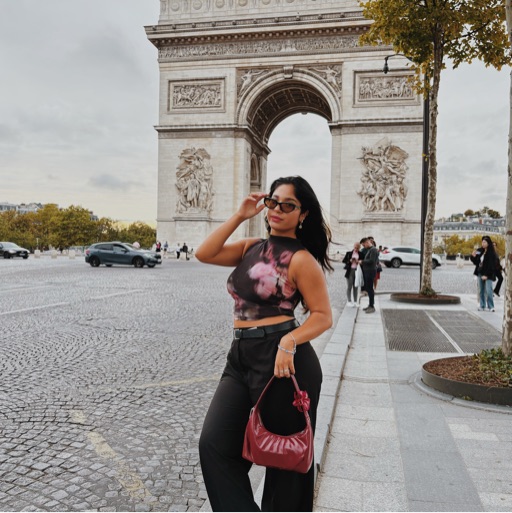
Can’t believe I can call this my backyard 💙
 Beatriz Correia @beatrizzdscorreia
Lisbon, Portugal2 days · 9 items
Day 1 · Praia da Ursa via Cascais
Day 2
Free day. Wander!
Trip lineage
🔁 Remixed 1 time
Know before you go 🧳
The practical stuff for Lisbon, Portugal. Check these before you book and pack.
Entry & visas
- Passport & visas: Portugal is in the Schengen Area; many passports get 90 days visa-free within Schengen, but rules vary. Verify requirements for your passport on the destination’s consulate site or IATA Travel Centre before booking.
- Passport validity: Rule of thumb: many countries (including many in Europe) expect at least 6 months' validity beyond your planned departure — check the arrival state's guidance for specific requirements.
- Proof documents: Carry return/onward tickets, accommodation details and travel insurance; immigration officers may ask. If travelling on a non-native passport, carry residency/visa for your home country.
Health & safety
- Vaccines & checks: Stay up to date with routine vaccines. Check official Portuguese/WHO guidance and consult your doctor for travel-specific shots or medications; rules and recommendations change.
- COVID & entry: COVID rules and testing requirements can change. Check official Portuguese health ministry or embassy pages for current entry-related health measures before travel.
- Tap water: Tap water in Lisbon is generally safe to drink. If you have a sensitive stomach, use bottled or filtered water as you would when adjusting to any new location.
- Medication: Bring sufficient prescription medicines in original packaging and a copy of prescriptions. For controlled drugs, confirm local rules before travel.
Money & costs
- Currency: Currency code: EUR (euro). ATMs are widely available in Lisbon; inform your bank of travel to avoid card blocks.
- Tipping norm: Tipping is discretionary: small rounding in cafes, 5–10% in restaurants for good service. Taxi drivers and guides may expect small tips for convenience.
- Payment methods: Cards (chip & PIN/contactless) are commonly accepted in shops and restaurants; keep some cash for small vendors, markets and older establishments.
Connectivity & power
- Emergency number: Emergency number: 112 for police, fire and medical services across Portugal.
- Plug & voltage: Plugs: Type C and F. Voltage: 230 V, 50 Hz. Bring a travel adapter; check your devices for 230 V compatibility or use a converter.
- Mobile data & SIMs: Local prepaid SIMs are available at the airport and shops; bring ID to buy one. Free Wi‑Fi is common in hotels and many cafes.
Local customs & etiquette
- Basic courtesy: Portuguese people are polite and formal initially. Greet with a handshake; close friends may exchange two kisses on the cheeks. Use titles with surnames until invited to use first names.
- Dining manners: Meals are relaxed; keep hands visible, avoid loud phone calls at the table, and wait to be seated if unsure. It's polite to say 'bom apetite' before eating.
- Dress & behaviour: Dress smart-casual in cities. Respect quiet hours in residential areas, and avoid loud behaviour on public transport and in churches.
Climate & packing
- Best months: Best months: April–June and September–October for warm days, fewer crowds. Summer (July–Aug) is hot and busy; winter is mild but rainy.
- What to pack: Pack layered clothing, a light rain jacket, comfortable walking shoes for hills/cobbled streets, sun protection for summer and a warmer layer for evenings.
- Weather checks: Check short-range forecasts before flying — Atlantic systems can bring sudden rain or wind, especially in spring and autumn.
Language & key phrases
- Official language: Official language: Portuguese. English is widely spoken in tourist areas, but using Portuguese phrases is appreciated.
- Useful phrases: "Olá" (Hello), "Por favor/Obrigado(a)" (Please/Thank you), "Quanto custa?" (How much?) — learn these basics to ease interactions.
- Pronunciation tip: Portuguese pronunciation differs from Spanish; speak slowly and clearly. Hotel and tourist staff usually understand basic English.
Airport & getting around
- Main airport: Lisbon Humberto Delgado Airport (LIS) is the main international airport, close to the city center—about 7–10 km depending on route.
- To city center: Options: metro (regular service to central stations), Aerobus/shuttle services, taxis or app rides. Choose metro for budget trips and taxi for door-to-door with luggage.
- Public transport: Lisbon has metro, buses, trams and trains. Buy a reloadable Viva Viagem card for convenient transfers across modes; validate at entry.
- Airport timing: Allow extra time for airport security and possible queueing at busy times. Check your airline’s recommended arrival time and local transport schedules.
General guidance, not legal advice. Entry and health rules depend on your passport and change often. Verify with official sources before you fly.
Love this trip?
Book it as-is, or remix it into your own itinerary first. Either way, Beatriz Correia earns a share when you book. Travel karma.